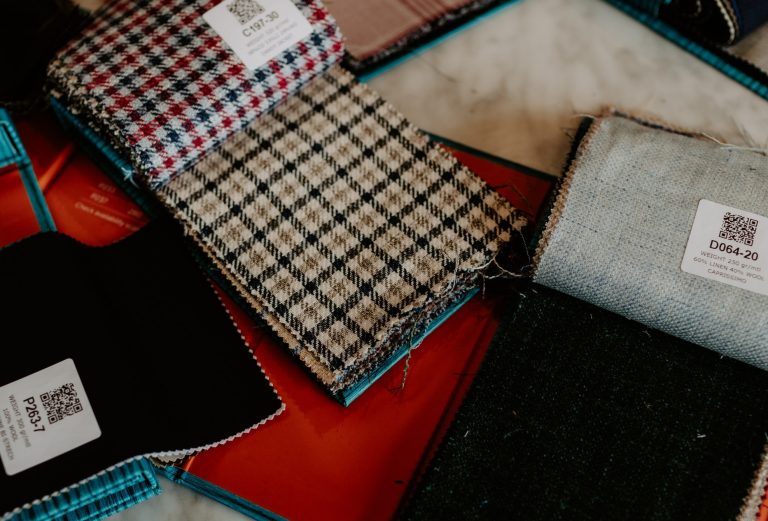
One of the three main metrics I teach my clients to evaluate fabric is the weight of the fabric.
The weight of the fabric is important because it not only affects the look and drape of the fabric, but also its suitability for different seasons.
And while it may seem pretty straightforward, there’s a bit of nuance when it comes to weight.
The more you know about the weight, the more you’ll be able to appreciate the differences between fabrics, and more importantly, how to pick the right fabric for you.
In this article, we’ll break down the fabric weight, its significance, and how the make up of a fabric influences it.
What is fabric weight?
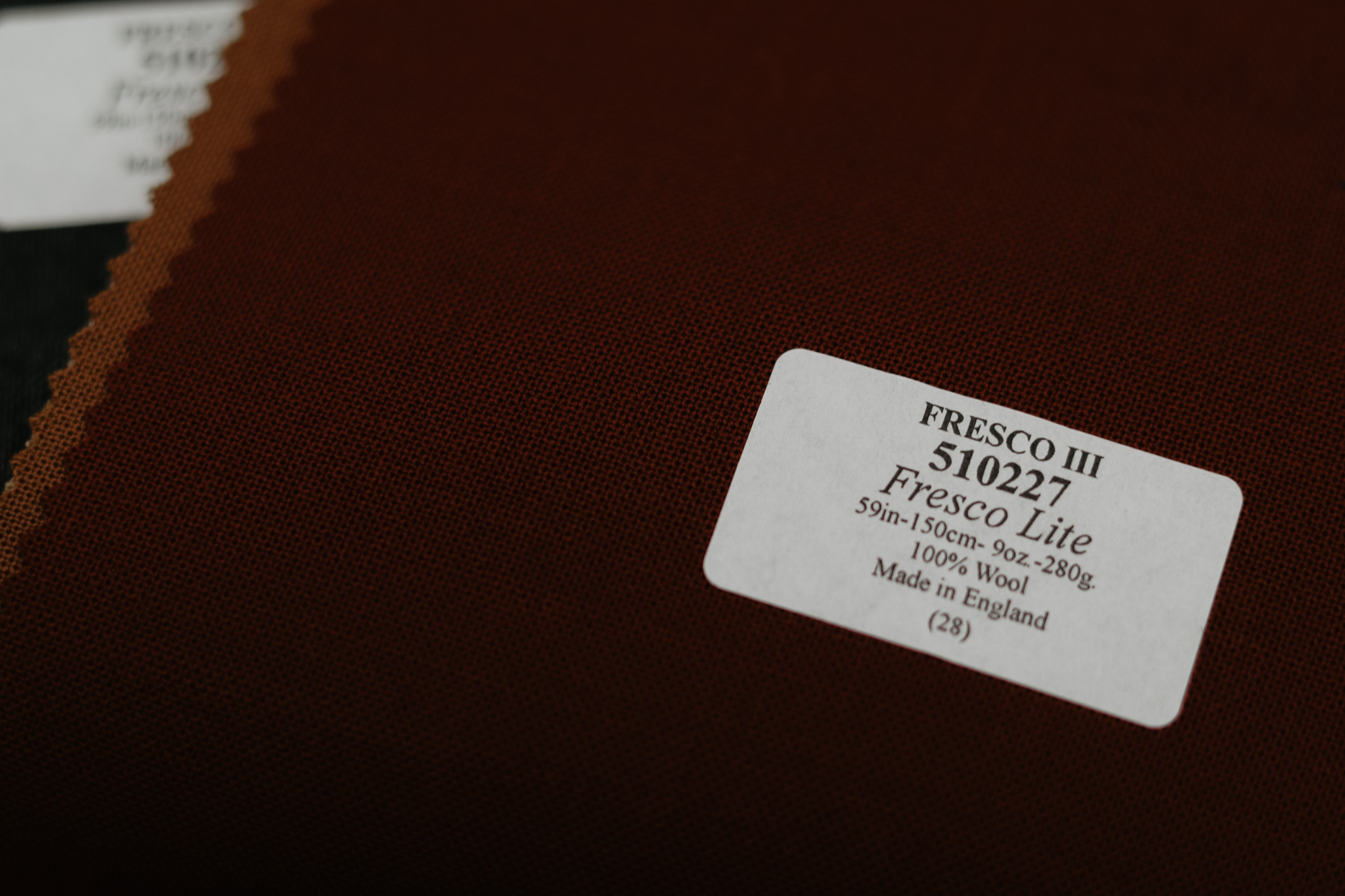
Fabric weight is how much a square meter of the fabric weighs, known as GSM (grams per square meter).
When we’re talking about wool, in general a four seasons fabric will weigh between 230 grams and 280 grams.
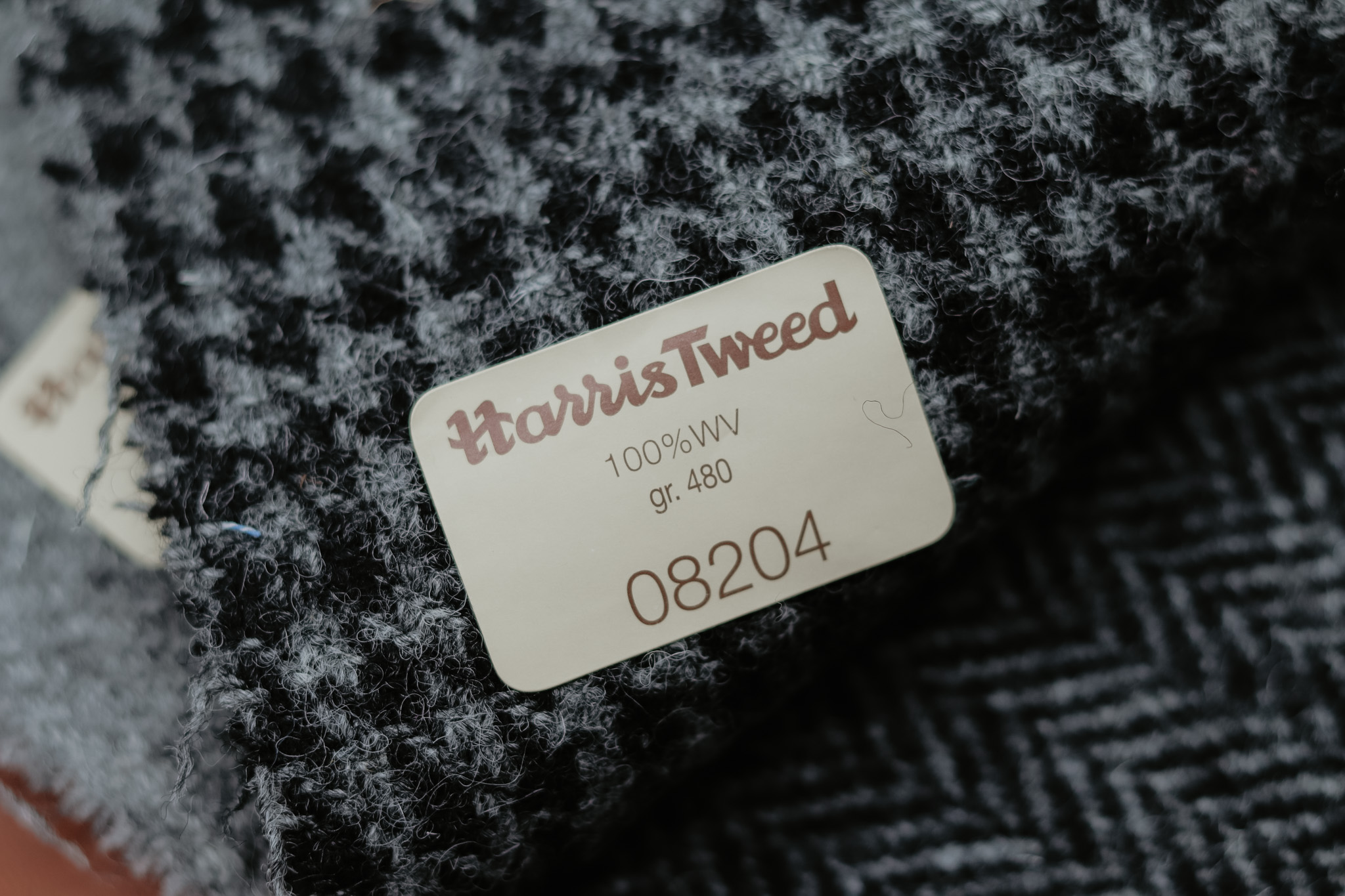
If you’re looking for something warmer, stick with above 280 grams, with the heaviest fabrics weighing around 500 grams, which are perfect for overcoats.
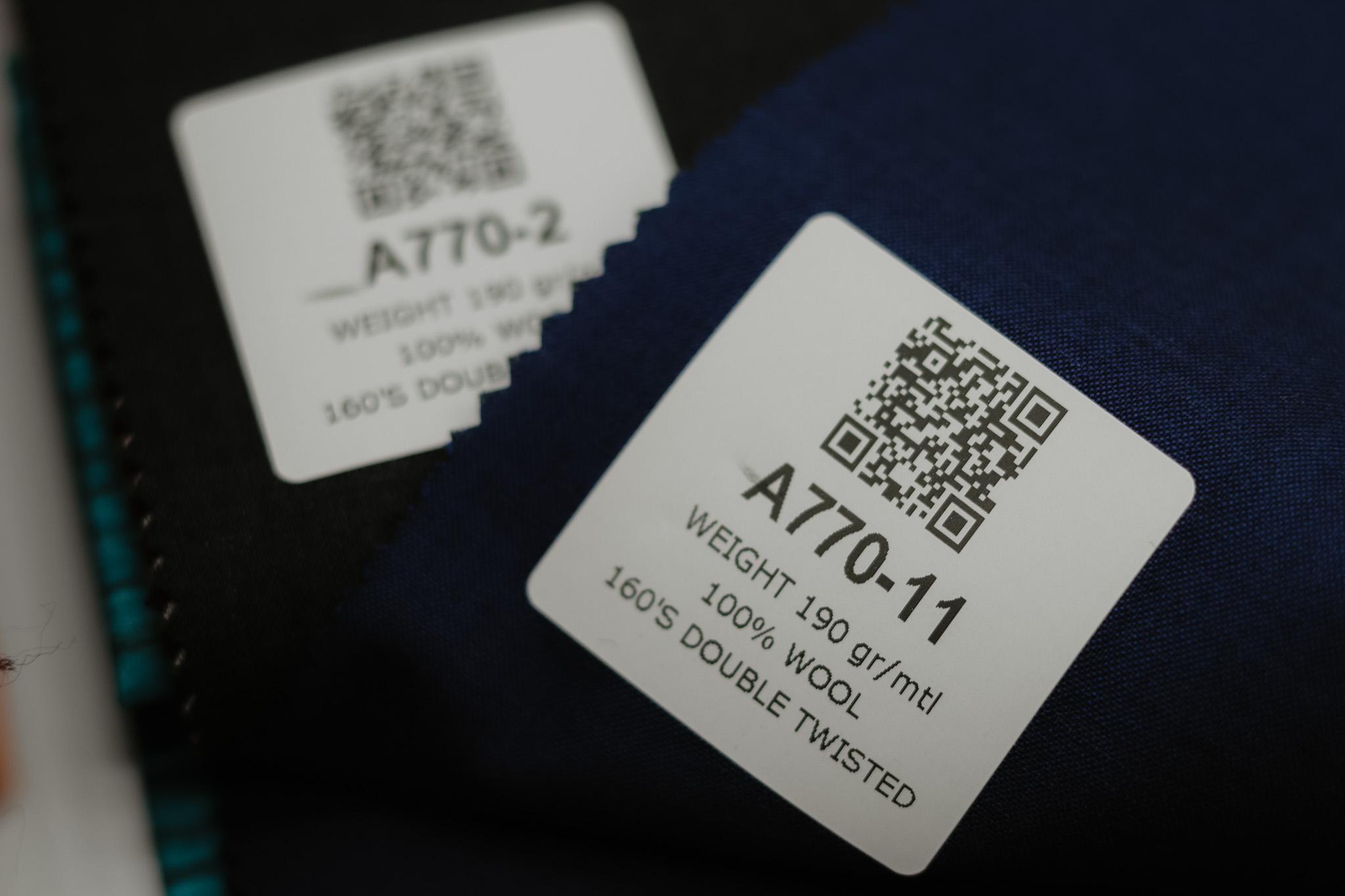
Lighter weight fabrics are typically under 230 grams, with the lightest wool I’ve seen being 190 grams, which contrary to popular belief, is the perfect fabric for a hot summer day.
Looks Can Be Deceiving
A lot of times, the look of a fabric can be a good indication of how heavy the fabric is.
Intuitively, we all know that a flannel fabric is going to be on the heavier side versus a fabric that looks like it’s a four-seasons.
But it’s not always the case.
These days, fabrics made from finer Merino wool can be densely woven to bring up their weight and it’s not uncommon to see what looks like a regular suiting fabric weighing more than a flannel.
So always check the stats — you may be surprised by the weight of a fabric.
WHERE WOOL COMES FROM DETERMINES THE WEIGHT
Sheep will grow heavier or lighter weight wool depending on the environment their bred to be raised in, so you can infer a lot about the origin of the wool depending on its weight.
Scottish sheep like Shetland or Blackface produce thicker, denser wool because they’ve adapted to Scotland’s cold and harsh climate.
I’ll typically recommend wool from these breeds to used in heavy jackets or sport coats.
Contrary to Scottish sheep, the Merino sheep, originating in Northern Africa and Spain and now bred in Australia and New Zealand, have much finer fibers because of its hotter weather.
So when I’m looking for a lightweight suit, Merino wool is the best choice.
The Make Up of a Fabric Changes the Story
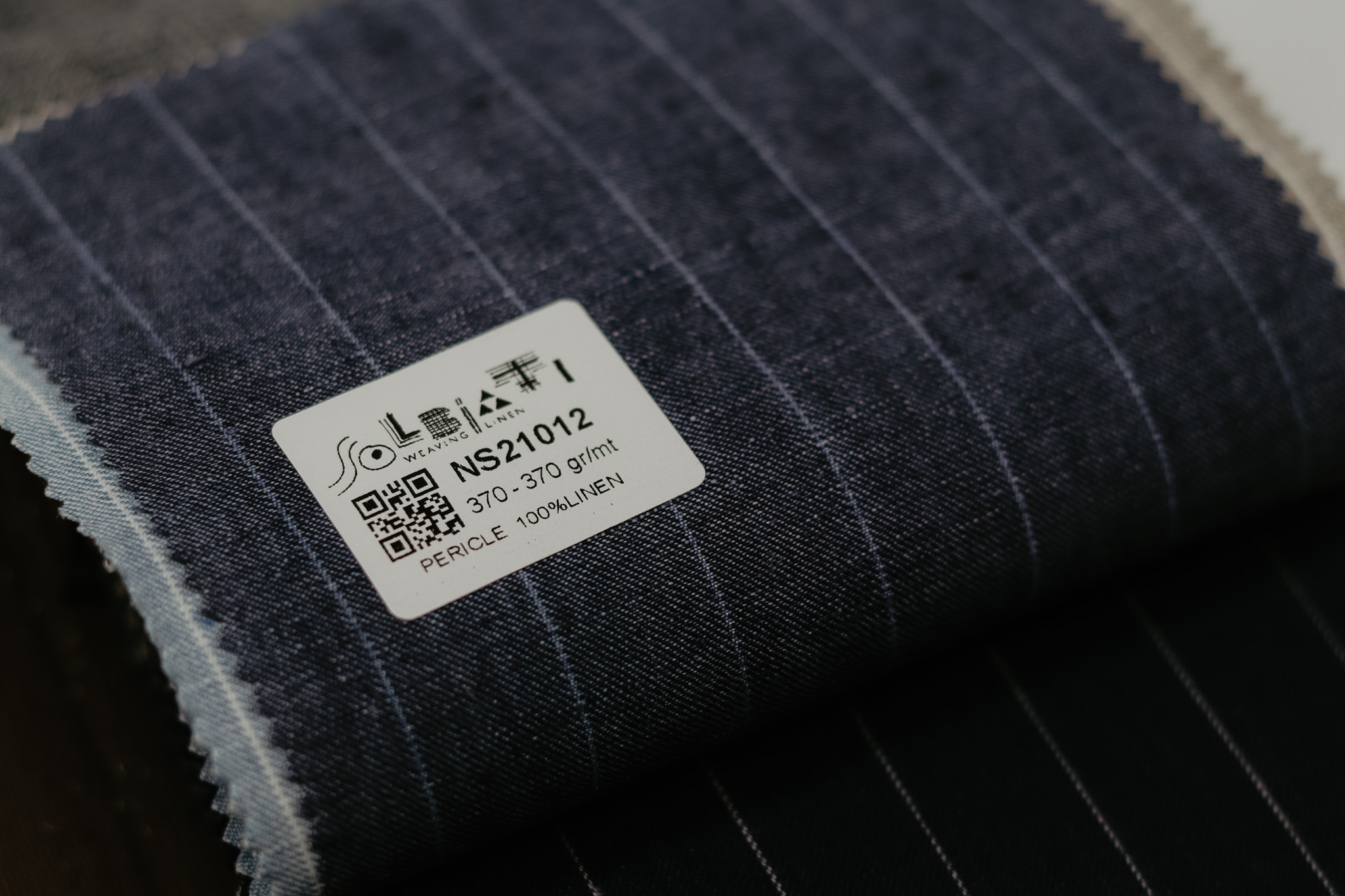
When I’m teaching someone about fabric, the first thing I recommend to look at is the make up of the fabric.
What composes the fabric will greatly affect the weight.
For example, if I see linen in a fabric, my typical rule of 230-280 grams for four seasons fabrics goes out the window.
Linen is a stalk of a plant and tends to weigh a bit more than fine wool, so it’s not uncommon to see a linen fabric weighing around 250 grams or more.
Cotton will also add to the weight of a fabric.
On average, cotton tends to be around 20-30% heavier than fine Merino wool, so if you see cotton and wool blends clocking in above 280 grams, that doesn’t automatically lump it in with other Fall/Winter fabrics.
Does a Higher Super Number make a Lighter Fabric?
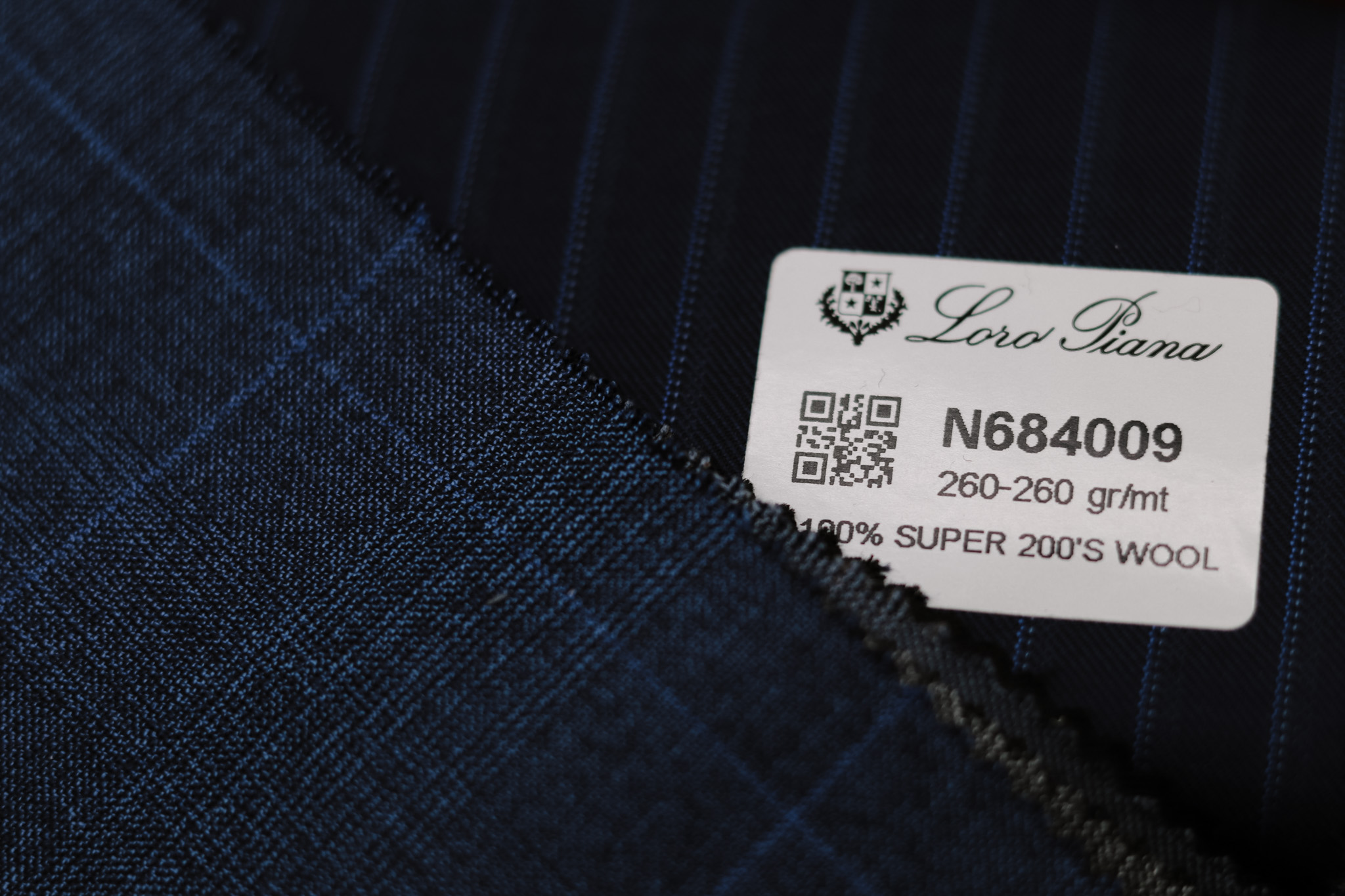
To a certain degree, the higher the super number, the lighter the fabric.
A smaller fiber diameter, like a Super 200’s 13.5 micron width, will weigh less than a more robust fiber diameter, like a Super 150s 16.25 micron width.
However, the weight isn’t just about the size of the fiber. Other factors, like the weave structure, how dense the fibers have been woven together, and the finishing process play a bigger role in the weight than just the Super Number.
For example, one of the finishing processes a fabric can undergo, called fulling, shrinks the fabric by compressing the fibers together with heat and steam.
This means that more fibers are packed into a square meter, thus increasing the GSM.
So just because a fabric has a higher Super Number doesn’t mean it’s going to be lighter.
The Last Word
When it comes to fabric, there’s always more than meets the eye.
A fabric’s weight isn’t just about its fiber type or how it looks—it’s shaped by its composition, weave, and finishing.
These hidden details hold the key to understanding how a fabric will perform and feel, whether you’re dressing for a scorching summer day or a frosty winter evening.
Mastering these nuances empowers you to build a wardrobe that’s not only stylish but functional, keeping you comfortable and confident no matter the season.
At 1701 Bespoke, we believe every detail matters, and fabric weight is one of the most important ones to get right.

