When it comes to shirting fabrics, one mill stands above all of the rest: Thomas Mason.
Started in Lancashire county in 1796, Thomas Mason quickly developed a reputation weaving some of the finest cotton shirting fabrics in the world.
Its history isn’t just a story about one company — it’s tied ot he rise of cotton in Europe, the Industrial Revolution and the evolution of modern menswear.
This article goes into the history surrounding Thomas Mason and how it became known as one of the best fabric mills in the world.
How Cotton Changed Europe
In the 17th century, nearly every garment in Engalnd was made of wool.
England’s cold weather isn’t ideal for cotton to grow naturally, and because imported goods were so expensive to buy, people mostly bought items made from local materials.
However in the middle of the 1600s, that began to change.
The East India Company (EIC) expanded its business beyond spices into cheap cotton known as calico and started importing it into England.
At first, it was just a novelty, and only popular among the lower classes.
But the EIC saw potential and used a clever marketing strategy to drive demand; they started to give away cotton to Engalnd’s wealthy elite.
Between1660 to 1683, over 325,000 ponds of calico were donated to the wealthy upper classes which spurred its popularity.
The strategy worked and cotton imports started soaring in the 1680s and by the end of the century, cotton surpassed spices as the EIC’s number one commodity.
The Calico Acts
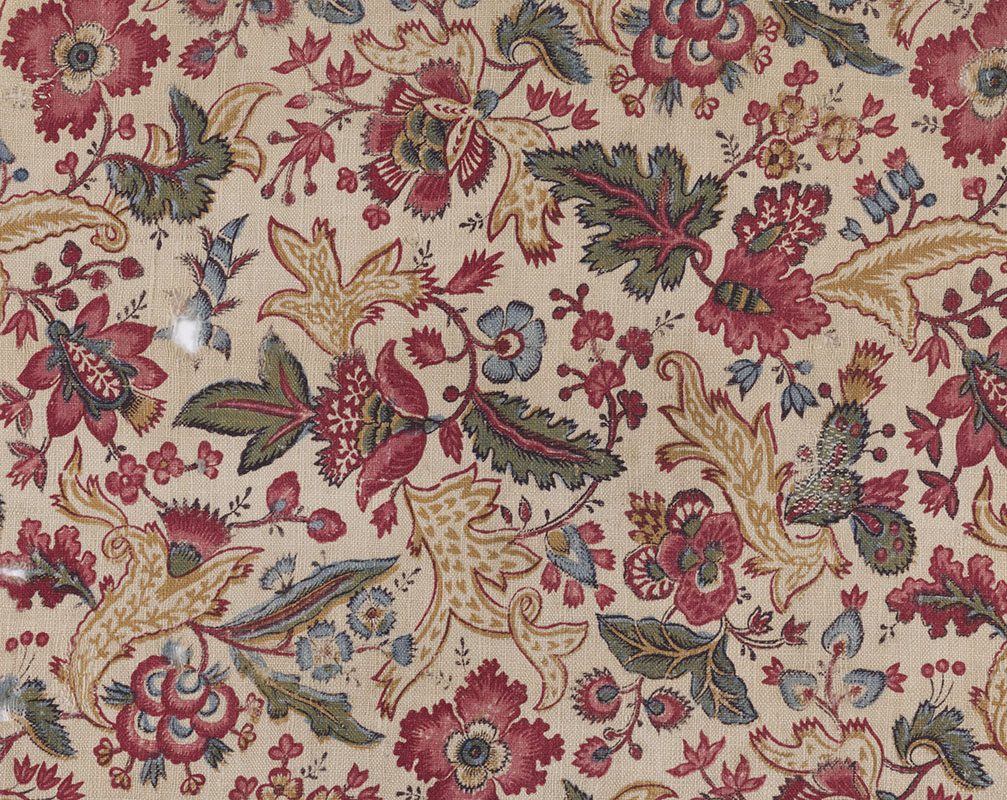
This created a huge shift in the textile market.
The monopoly of the wool market was being threatened and in response, the wool industries gathered together to lobby the government to outlaw the import of calico from India & Egypt.
In 1700, England passed the first version of the Calico Act; banning the import of dyed cotton fabrics into England.
But that didn’t stop anyone; for the next 20 years, English citizens imported raw, un-dyed cotton and then dyed it in England.
Finally in 1720, the “loophole” was closed with the second version of the Calico Act banning the sale and even wearing cotton, or using it as draperies.
Meanwhile, the rest of the world continued to buy cotton, making it an ever more popular, and cheaper, choice for making garments that could easily be washed and dyed into beautiful, vibrant colors.
But by 1774, England’s textile companies acquiesced to the English market’s demand and lobbied the England to repeal the Calico Act. This flooded England with new and cheap cottons.
The 1701 Newsletter
Sign up for the 1701 Newsletter to get the latest drops, articles, videos and to learn more about fine tailoring, fabrics, and the history behind it all.
The Birth of The Thomas Mason Mill
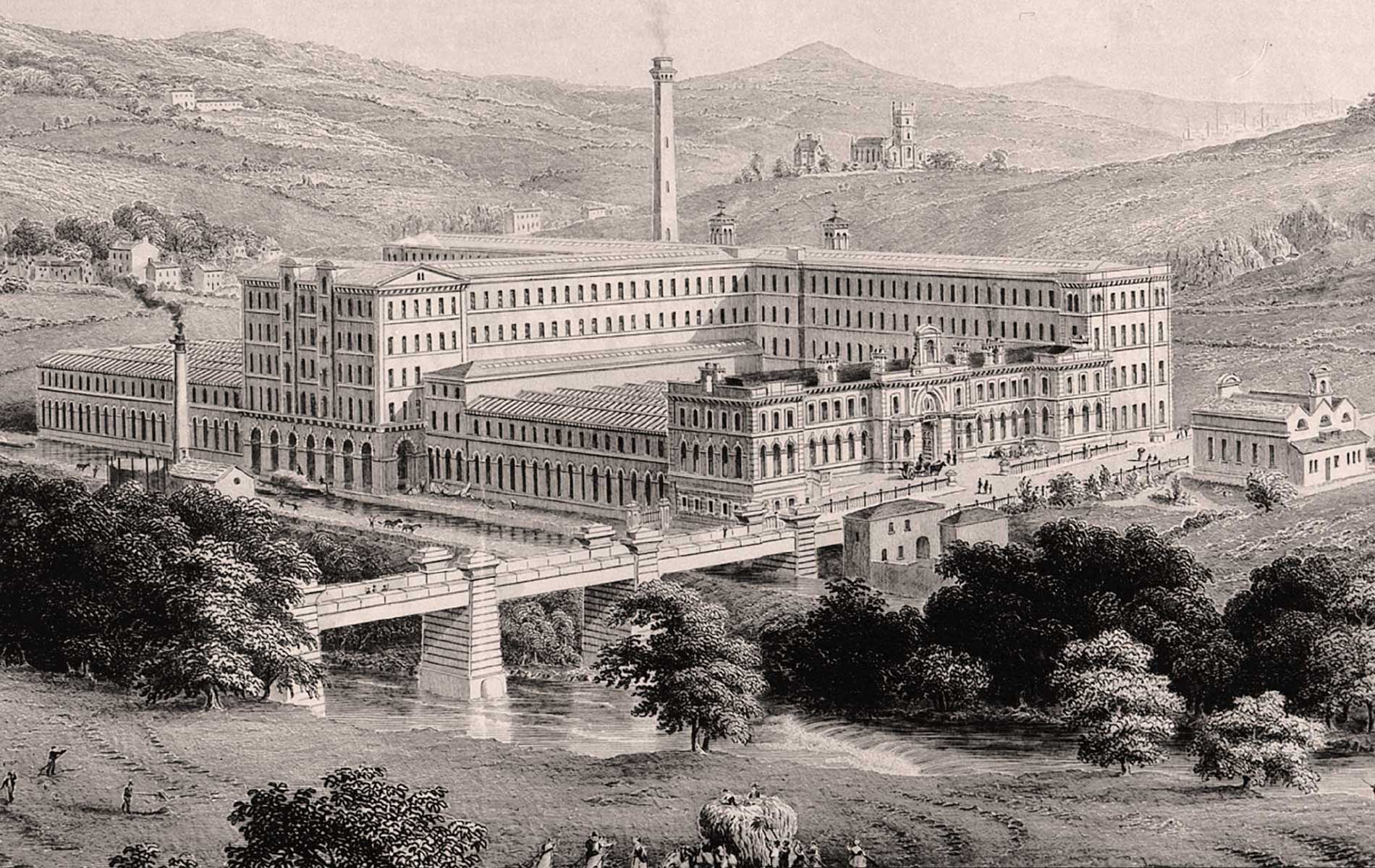
By the late 18th century, the textile industry was undergoing a revolution, fueled by new inventions like the steam engine developed by Matthew Boulton and James Watt.
This innovation transformed mills, allowing fabrics to be woven ten times faster than before.
In 1796, Thomas Mason opened his mill in Lancashire, just as this new technology began to take hold.
While his early operations were likely powered by hand or water, the industrial advancements of the time quickly changed the game.
Lancashire was the perfect location for a cotton mill. Newly built canals and dams made it easy to transport raw materials and finished goods, while the region’s access to coal provided power for steam engines.
The damp climate also helped prevent the cotton fibers from breaking during spinning and weaving.
These advantages allowed Lancashire—and Thomas Mason—to become synonymous with high-quality cotton production.
Why Thomas Mason Stands Out

While many mills emerged during the Industrial Revolution, Thomas Mason distinguished itself by focusing on exceptional craftsmanship.
Their fabrics were known for their precise weaving, durability, and luxurious feel, earning them a royal warrant from the British Royal family.
Over the decades, Thomas Mason innovated an adapted to changing demands, but their commitment to quality never wavered, and was a jewel of British garment production.
Albini Takes Over Thomas Mason
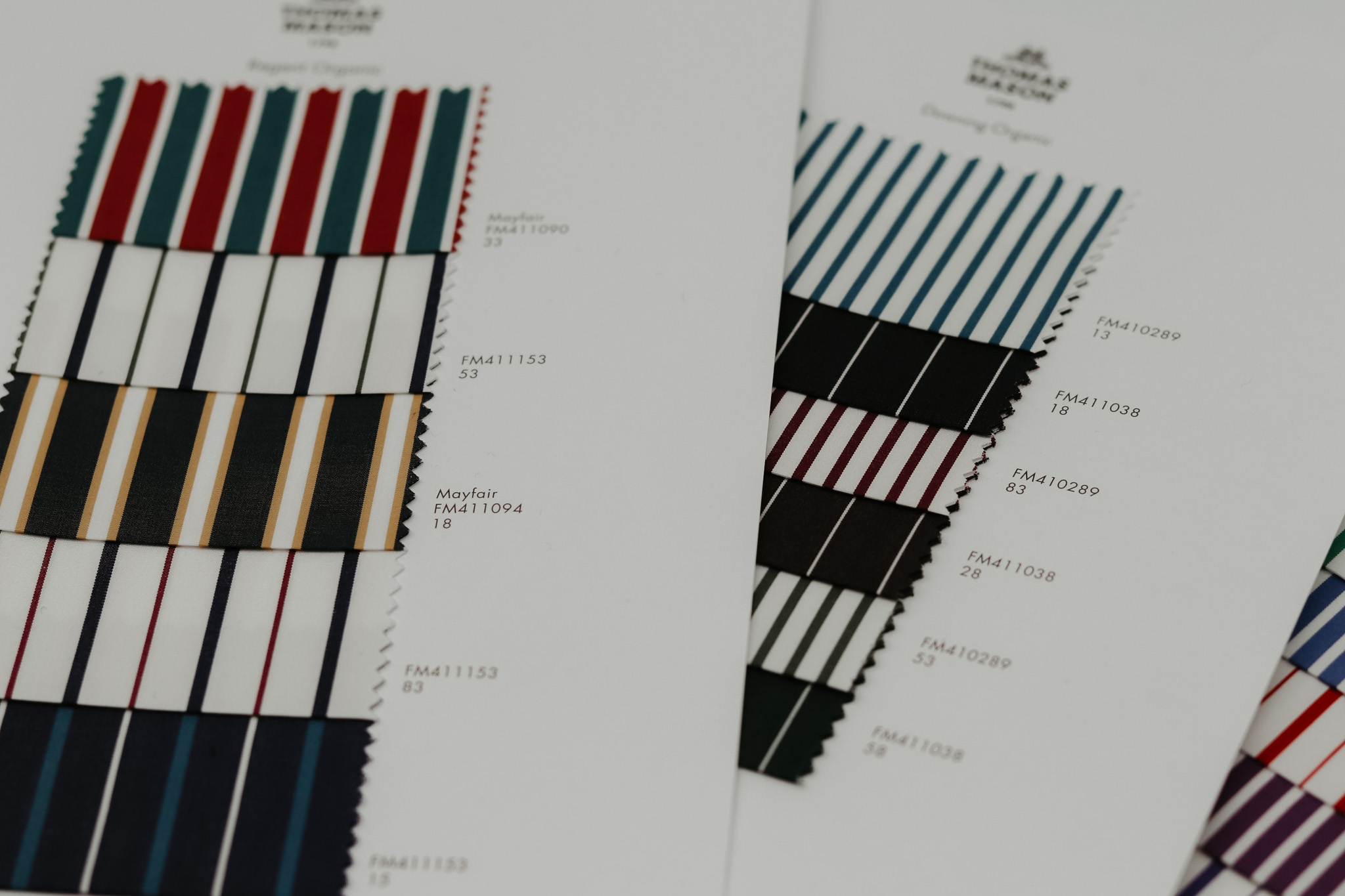
In 1992, Albini Group, a leader in luxury fabrics, acquired Thomas Mason.
This marked a new era, blending Thomas Mason’s English heritage with Albini’s advanced production methods.
Albini moved Thomas Mason to their production center in Begamo, modernized operations, introduced premium Egyptian cotton, and expanded the range while preserving Thomas Mason’s classic aesthetic.
Today, under Albini Group’s stewardship, Thomas Mason continues to embody excellence in shirting fabrics. The brand’s history and Albini’s forward-thinking approach ensure that the legacy of Thomas Mason continues as a cornerstone of luxury menswear.

