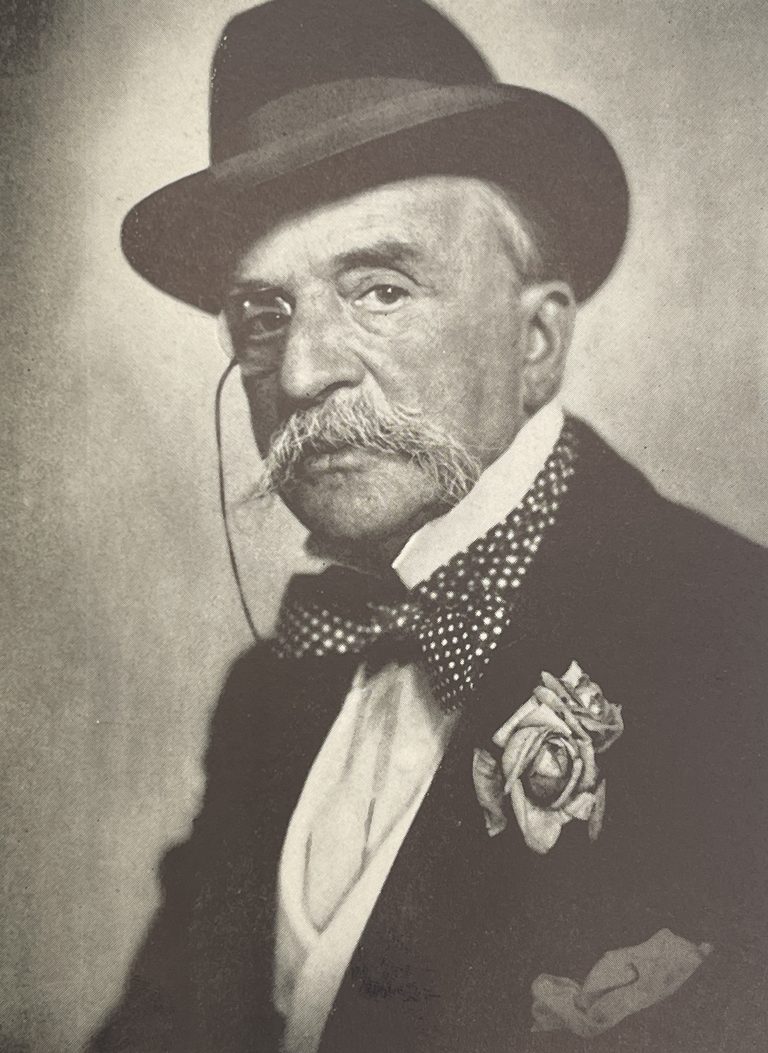
I’ve written about Beau Brummel before, history’s most famous dandy, but when I was doing research on the tuxedo, I stumbled upon another legendary figure in the world of fashion: Evander Berry Wall, better known as the King of the Dudes.
Back in the 1880s and 90s, being called a “dude” wasn’t exactly a compliment.
It meant that you were overly concerned about your appearance and not very street smart.
But Wall fully embraced the term and turned it into his personal crown.
This article goes into the story of a man who embodied his fashion, and also claims to have changed it forever.
The Original King of the Dudes
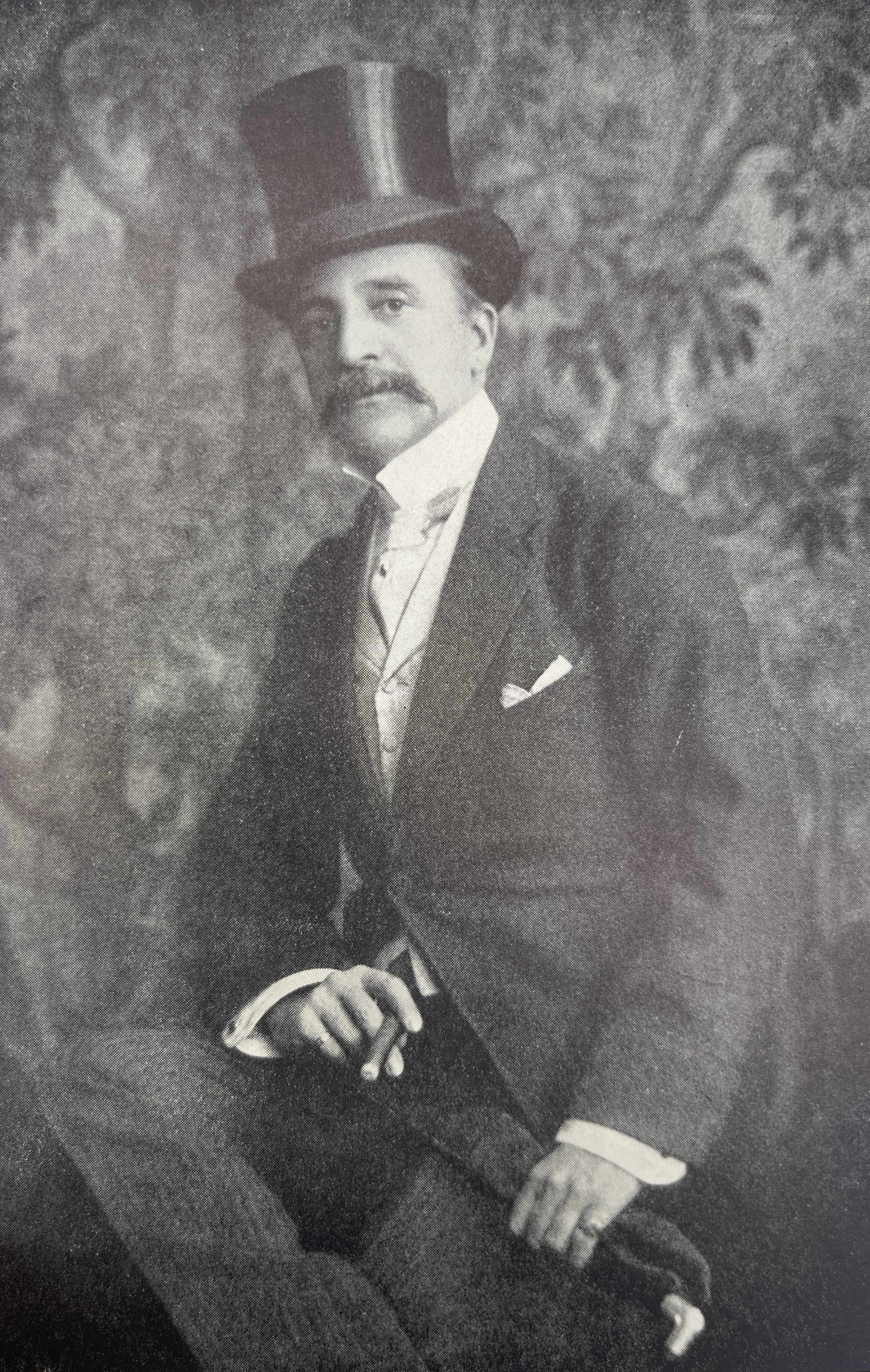
Evander Berry Wall was a man obsessed with clothing.
Born into wealth, he inherited over $2 million before he was 22, the equivalent of over $60 million today.
With no need to work, he dedicated himself to perfecting his wardrobe and cementing his place as a fixture in New York’s high society.
Wall’s outfits became the stuff of legend, making headlines in newspapers across the country.
A New York Times article from 1902 detailed one of his more memorable ensembles:
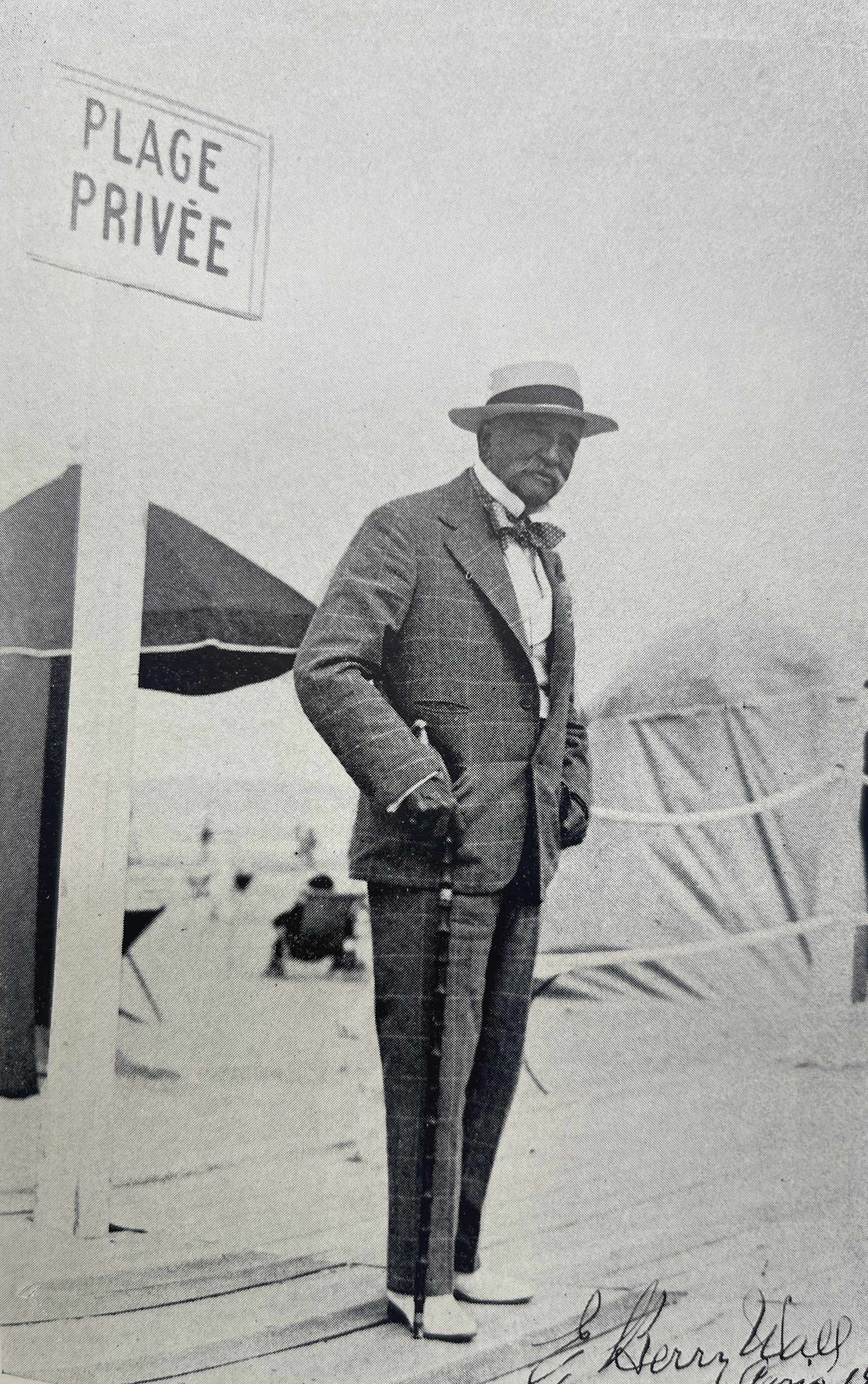
The very extraordinary costume of E. Berry Wall has been described. In detail and affect it was the most remarkable thing seen at the clubhouse. The cloth from which the suit was made is one which is exhibited frequently in tailors’ windows. It is a large gray shepherd plaid check, reminding one of the old-fashioned Paisley shawl.
New York Times
The piece goes on to describe trousers that were “extremely wide but tapered at the ankle,” white spats, over patent leather boots, and a dust coat of “reddish Havana brown.”
Wall’s trousers, with their exaggerated silhouette, foreshadowed the zoot suits that would dominate men’s fashion 20 years later.
And spats, or spatter guards, were popular accessories of the time, but pairing them with patent leather shoes outside of formal wear showed Wall’s willingness to push boundaries.
Berry purportedly had over 5,000 ties, and would change them six times a day..
His most famous sartorial stunt came in 1888 at Saratoga Springs. On a bet, Wall changed outfits 40 times between breakfast and dinner. Each change required meticulous coordination, from starched collars to cufflinks, all handled by his valet.
By the end of the day, he emerged at the top of the United States Hotel steps in his 40th outfit to cheers and the hotel band playing Hail the Conquering Hero.
Introducing the Tuxedo
Wall’s influence wasn’t just limited to extravagant bets.
Although hotly debated, Wall can be credited with popularizing the tuxedo in America.
In his memoir Neither Pest Nor Puritan, Wall describes receiving the first dinner jacket sent to the US by Savile Row’s Henry Poole:
The first dinner jacket to make an appearance in the United States was sent out to me by Henry Poole, who by the way, has made my clothes for the last 54 years. With it came a note saying that this jacket might be worn for a quiet dinner at home, or at an evening’s entertainment at any of the summer resorts.
Wall first wore the jacket to a ball at the Grand Union Hotel in Saratoga Springs, paired with a “very pretty girl.”
But the reception wasn’t warm.
He was ordered off the dance floor and told to change into a traditional tailcoat. The tuxedo, then an experimental wardrobe never seen in the USA, was considered too casual for formal events,.
Despite the initial rejection, the dinner jacket gained popularity, proving Wall’s foresight. He may not have been the first American to don a tuxedo—James Potter and the founders of the Tuxedo Club often share that credit—but Wall undoubtedly helped popularize it.
Wall’s favorite restaurant in New York City was Delmonico’s, and he lived across the street from it .It was at this restaurant that the tuxedo was popularized by Potter and his Tuxedo Park crew, so more than likely there is some gray area as to who was the first to don the outfit.
The 1701 Newsletter
Sign up for the 1701 Newsletter to get the latest drops, articles, videos and to learn more about fine tailoring, fabrics, and the history behind it all.
The King of DudeS Declares Bankruptcy
Wall’s love for the high life finally took its toll when, seventeen years after receiving his giant fortune, he declared bankruptcy to escape his debts.
However Wall wasn’t down and out.
He received another inheritance, this time from his mother, placed in a trust.
While it wasn’t as massive as his earlier fortunes, it gave him enough to keep up appearances.
In 1912, he left New York for good, declaring it “fit only for businessmen.” Paris was more his speed—a city where style and leisure reigned supreme.
After Wall moved to Paris, he and his wife faced another challenge; the break out of World War I.
While not fighting himself, Wall decided to help out the best way he could; he and his wife began fundraising efforts for wounded soldiers, especially those blinded in battle.
After the War
After the war, France awarded Wall and his wife the French Legion of Honor for his work in support of the soldiers.
Then Wall returned to his life of extravagance, spending time at racetracks and casinos all across Europe, and rubbing shoulders with the elite.
The Duke and Duchess of Windsor, King Alfonso XIII of Spain, and even sculptor Auguste Rodin counted themselves among the Walls’ circle. Wall, of course, never let his sartorial standards slip.
Edwardian collars, a monocle, and his signature ties were always part of the package.
In his later years, Wall settled in Monte Carlo. Even on a tighter budget, he maintained his flair, proving his belief that the “art of living” wasn’t about how much you had but how you carried yourself. When he died in 1940 at 79, he had only $12,608 to his name (around $280,000 today).
But Wall didn’t die with regrets. He’d spent his life pursuing pleasure, style, and reputation—and he succeeded at all three.
Wall’s memoir is worth flipping through, particularly for all the names he mentions. Feel free to drop into the 1701 and you can peruse our copy.

