
As with everything, there are tradeoffs in the amount of time you want to spend on something versus the results you’re getting.
If you want perfect shirts every single time, you have to wash them yourself.
If you don’t want to spend that time, you can take them to a dry cleaner, but they are not going to look as good as if you cleaned them yourself.
Below is what I do with our shirts to keep them crisp and clean looking, as well as maintain our beautiful collar roll.
A Brief Word About Stains
Simplifying things, there are two types of stains; water-based stains and oil-based stains. Whether it is oil or water will determine how it is taken care of.
Water-based stains are what most stains are; coffee, sweat, wine, general dirt. Roughly 90% of the things you spill on yourself is a water-based stain and is treated with, yup, water. So with these types of stains, putting it in the laundry with a good detergent should get the job done.
Oil-based stains comprise the remaining 10% of stains. This is butter, pizza sauce, and, the bane of the workmen’s existence, body oil which causes the collar & cuff rings.
HOW TO REMOVE COLLAR AND CUFF RINGS
Since we now know that the collar & cuff rings come from our body oil and are not going to be removed by just throwing them in the wash, we can approach this problem with more sophistication and use a solvent to help.

I recommend using OxiClean Max Force. No science here, it just works.
Spray each collar and cuff with OxiClean before you put it into the washing machine. Some use a toothbrush in addition to the OxiClean, but you can risk damaging the cotton if you scrub too hard, so just spraying on the collars and cuffs should work.
COLD WATER VS. HOT WATER
After you’ve sprayed your collars in cuffs, make sure to set your washing machine on cold.
Even though we have had hot water laundry machines for over a century, there is still great debate as to whether hot water is more effective than cold water on your clothes.
The short and simple answer is that hot water makes soap and dirt interact with one another faster.
This means you can use hot water on your shirts and wash for a shorter amount of time, or you can use cold water on your shirts and wash them for a longer period of time.

Given that it doesn’t make too much of a difference between washing on hot & cold, the oil stains on your shirt are cemented in when heat is applied.
So to be on the safe side, wash these shirts on the cold setting.
HANG DRY AND IRON DAMP
Dryers are good to use in a pinch, but repeated high-temperature drying and tumbling will break down the fabric and make it susceptible to future damage. Low temperatures cycles significantly reduce damage, but if you really want your shirts to last a long time, your best bet is to hang dry.
I like to use plastic hangers; metal hangers are typically too thin and will leave marks in the shirt if hung up too long and if you use a wooden hanger, you run the risk of the dye in the wood rubbing off on the shirt.
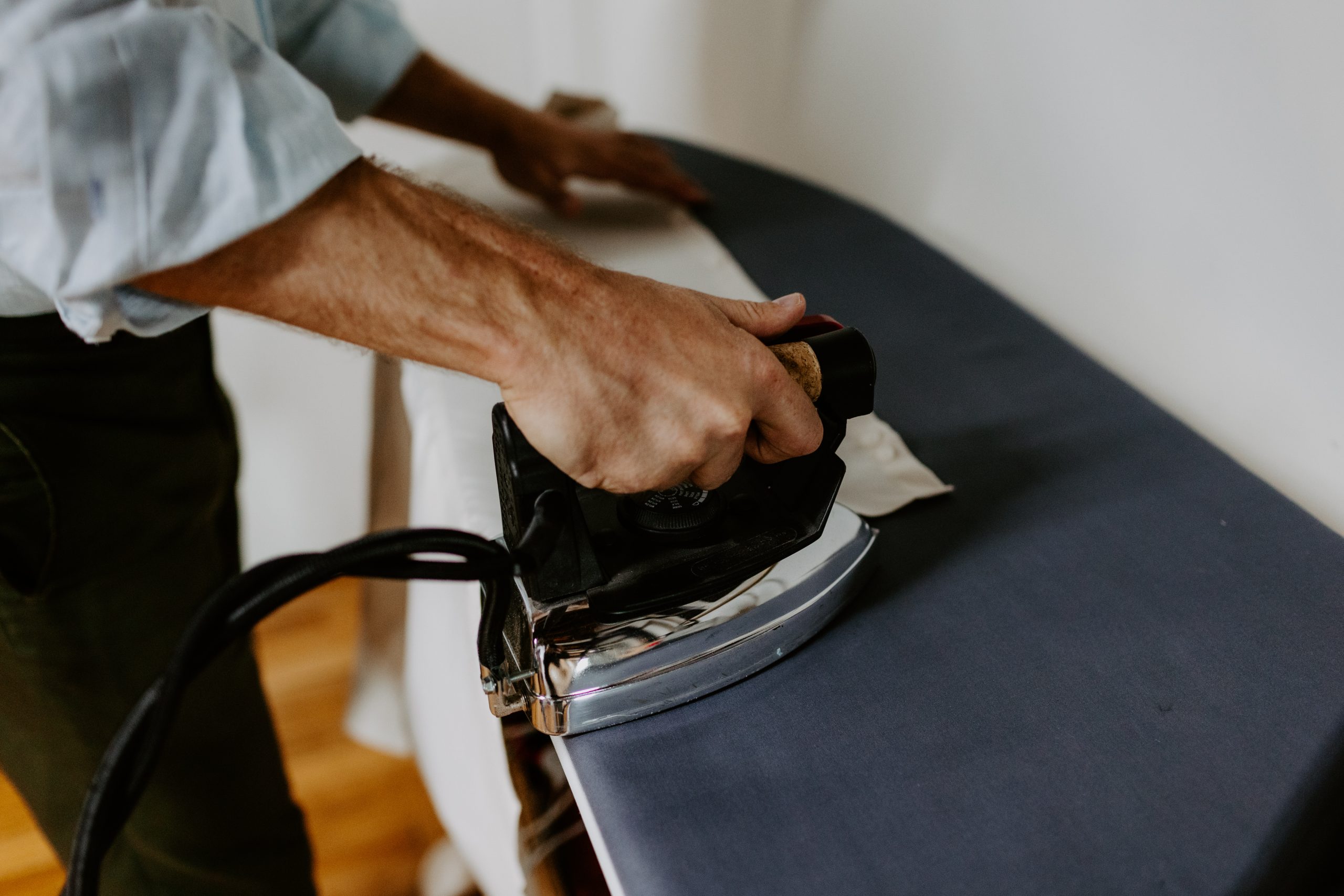
In terms of ironing, a more complete guide to ironing will be posted later, but for now, iron while damp.
This gives you a twofold advantage:
a) you don’t have to deal with all the water dripping from a leaky iron (no need to fill the tank) and
b) the moisture in the shirt combined with the heat will create steam and vastly increase the speed you work.
SHOULD I STARCH my Shirts?
Starch’s purpose is to keep shirts crisp as well as aid in cleaning. The idea is that starch sticks to the fibers of your shirt, helping to stiffen it, as well as acting as a barrier to the grease and dirt of your wear.
Ideally, when it is time to wash, the starch dissolves in water & soap, renewing your shirt.
However, most starches that you find are going to be a synthetic starch that doesn’t necessarily dissolve in the wash.
This can lead to layers and layers of this glue-like starch being painted on to your shirts over time.

These days, the construction methods and materials used on quality shirts, like 1701 shirts, and the quality of detergents have rendered starch functionally useless and it can actually be harmful for your shirts, so all-in-all, starch isn’t really necessary.
I only use starch on shirts with some elastane in them in order to give the shirt a bit more structure, and only in very light amounts.
Should I Dry Clean My Shirts?
Dry cleaning a shirt versus washing at home won’t effect the longevity of the shirt in any noticeable manner.
So it really comes down to a time investment, which is why I recommend taking your shirts to the dry cleaner.
Most dry cleaners charge between $2 and $5 for a shirt and I think about like this: would I pay someone $3.50 to wash and iron my shirt?
That would save me at least 10 minutes each morning, plus the time loading and unloading the shirts and hang drying.
That’s definitely worth $3.50.
Everyone’s in a different situation but consider the time investment and choose whether it’s worth it for you.

