Cashmere’s story begins in some of the world’s most remote and unforgiving landscapes.
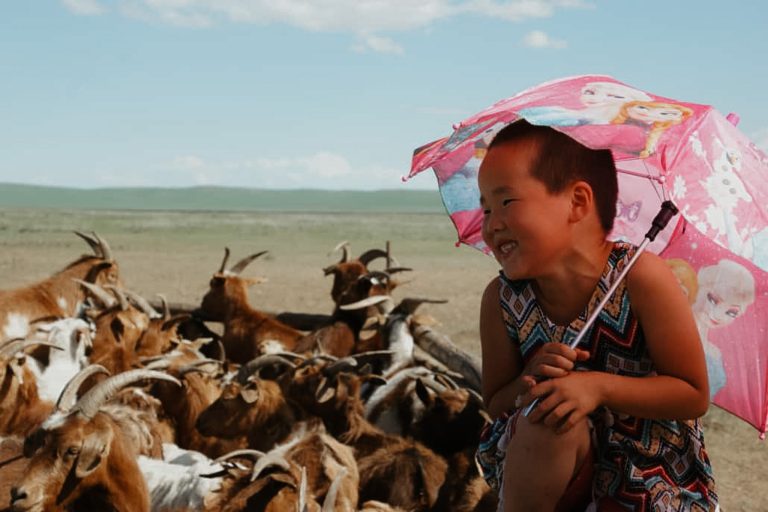
The Capra hircus goat, which produces the luxurious fibers, is found on the steppes of Mongolia and in the Himalayan mountains in China.
The weather there is intense; lows of -22 degrees Fahrenheit and highs in the mid 80s.
And the cashmere goat’s coat reflects that.
Their coat grows thick in the winter in order to keep them warm, the goats rub their bellies on bushes to remove their excess fur in the spring to prepare for the summer heat.
This is how people figured out you could use their fur for clothes.
Today, the goats’ bellies are sheared by herders who’ve been raising them for centuries.
Only the underbelly of the goat can be used to make the fabric, and it takes three goats to make just one cashmere sweater, or 300 grams. A merino wool sheep, for comparison, will produce 3000 grams of wool.
This is why cashmere is so rare.
The 1701 Newsletter
Sign up for the 1701 Newsletter to get the latest drops, articles, videos and to learn more about fine tailoring, fabrics, and the history behind it all.
Not Every Goat Produces the Same Cashmere
There are many sub-species of Capra hircus goat, and their fibers produce different results.
The goats from Inner-Mongolia tend to produce the finest cashmere fibers, which adds to the rarity.
In general, the harsher the climate, the finer the fibers will be, which means it’s even harder to raise the goats.
Then there’s also the age of the goat.
As goats age, their fibers can become thicker and coarser.
So the best cashmere comes from younger goats, making early combing particularly valuable for high-quality production.
Making high quality cashmere very rare.
Why is it called Cashmere?
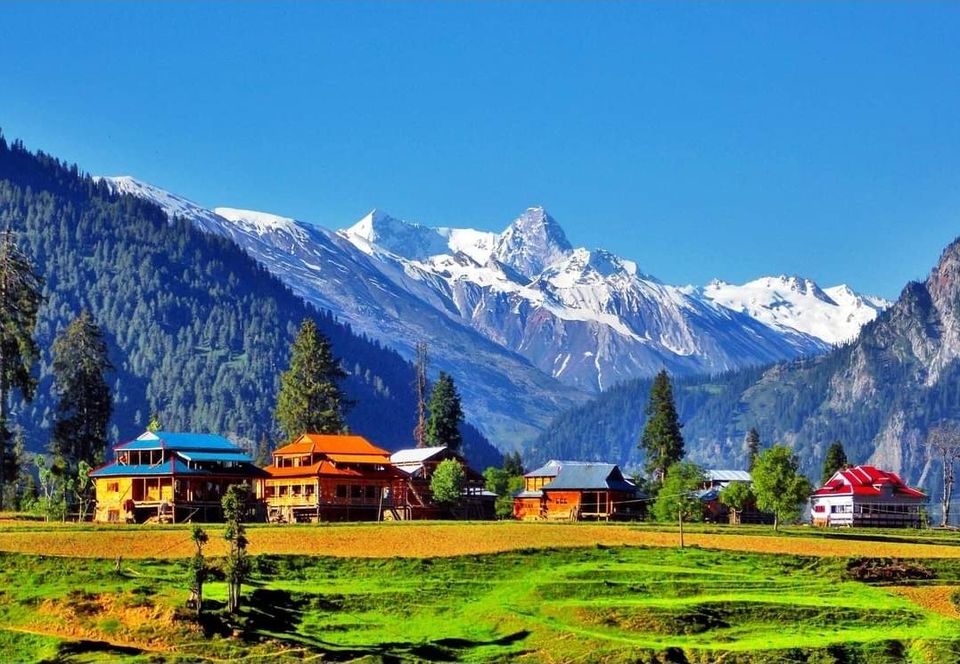
The goats are in Mongolia and China, but why is cashmere named after a city in India?
It’s because of international trade.
When Napoleon invaded Egypt in the early 1800s, traders from Kashmir made their way west to trade with the French.
Emperess Josephine, Napoleon’s wife, ended up with a cashmere shawl, decorated with paisley pattern. While supposedly not liking it at first, the fabric grew on her and she demanded more shawls to wear.
This began the fascination in the West with cashmere.
And paisley, for that matter, but that’s a different story.

